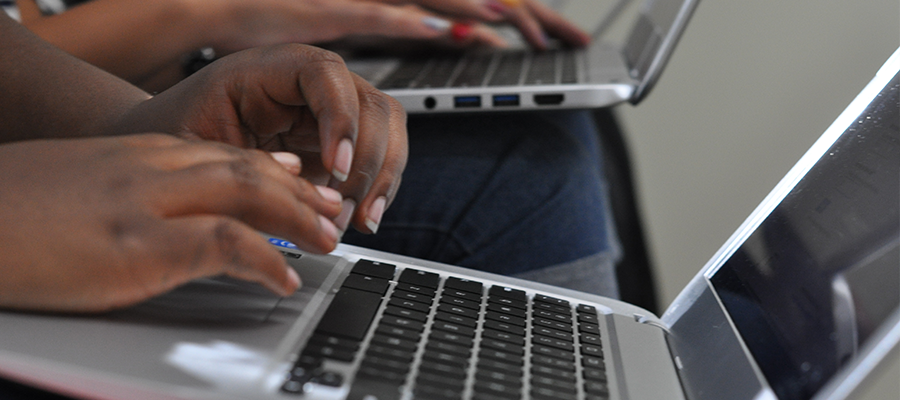
Can Google Move Beyond the Chromebook?
Google has spent years building its laptop business on Chromebooks: relatively affordable devices designed largely around web-based apps and services. In May 2026, the company announced Googlebook, a new category of laptops that brings together Android technology, features from ChromeOS and Google’s Gemini AI. The first models, made by Acer, Asus, Dell, HP and Lenovo, went on sale in selected markets in October.
The idea is to bring more of the Android experience to a laptop, alongside AI tools designed to help with everyday tasks. However, with basic Acer Chromebooks starting at about $179 in the US, Googlebook’s starting price of $899 puts it in a very different tier than the devices Google is best known for. This strategy could make attracting new customers more important than persuading existing Chromebook owners to upgrade. In FDM CCS Insight’s latest Pulse: Connected Consumer survey, 73% of respondents said they own a Windows laptop, compared with 17% who own a Mac and 7% who own a ChromeOS device. Googlebook needs to give those Windows and Mac users a reason to consider switching.
Googlebook’s launch models all come with 16 GB of RAM and touchscreens, with Intel Core Ultra or Snapdragon X Elite processors. Most have OLED displays, although Dell’s XPS model uses LCD technology. Google says the new laptops can play locally stored video for up to 14 hours and will receive updates for 10 years. Buyers in Australia, Canada, France, Germany, Ireland, New Zealand, the UK and the US also get a year’s access to Google AI Pro, which includes 5 TB of cloud storage. The subscription costs £18.99 a month in the UK after the first year.
The bigger selling point is how Googlebook works with Google’s software and other devices. At the top of the list for me is phone integration. Users can access Android mobile apps and files from the laptop, making it easier to move between devices and solving a familiar problem for many people. This capability also gives Google a more-direct challenge to Apple’s device integration. However, its appeal will depend on how smoothly this works in practice and whether it offers a meaningful advantage.
Another new feature is the Magic Wand Pointer, which allows users to point at a photo, a date in an email or a passage of text and ask Gemini for help. Users can also create custom widgets for the laptop with prompts. However, the practical value of these features will depend on how useful they prove in everyday use. The Glowbar, a light strip on the lid that displays charging and battery status, adds a distinctive design element, but its limited functionality risks making it feel more like a gimmick. Ultimately, it remains to be seen whether these features offer enough practical value to persuade buyers to pay a premium for Googlebook.
What Will Happen to Chromebooks?
Google says that Chromebooks will continue receiving updates for their supported lifetimes, with ChromeOS devices getting updates and security patches until mid-2034. Some newer Chromebooks will also be eligible to move to Googlebook OS, although Google has yet to publish a definitive list of compatibility or explain exactly how the process will work.
For schools and businesses, the bigger question is whether Googlebook will be ready for their needs. The first models are aimed at consumers, and the centralized management tools used by IT teams to manage devices in an organization aren’t expected to start rolling out until the second half of 2027. Google has also said that Googlebooks — and Chromebooks that move to the new operating system — will have a new licensing structure, although it has yet to clarify whether this will apply to all users or specifically to schools and businesses.
This means that organizations have little incentive to rush. Existing Chromebooks will continue to be supported, and businesses and schools can wait to see how Googlebook’s management tools, licensing and migration process take shape.
An Already-Competitive Market
With Googlebook, Google is entering a market where the established players already have clear advantages. Apple benefits from the close relationship between its hardware, software and services. Microsoft has an enormous portfolio of applications for Windows and a strong position in business computing. ChromeOS, meanwhile, remains a relatively small part of the desktop market, so Google can’t assume that people who are familiar with Chromebooks will automatically want to pay more for their successor.
In the UK, prices start at £999, putting Googlebook in direct competition with premium Windows laptops and MacBooks. Even after an increase earlier this year, pricing for Apple’s MacBook Neo starts at £699, making it £300 cheaper than Googlebook. Google must demonstrate that its combination of Android apps, Gemini and phone integration offers enough to justify that price. The battery life of the device and how well Android apps perform in everyday use will also matter.
An AI assistant isn’t enough to make Googlebook stand out, either. As the technology becomes more common, it’s less likely to drive someone to choose one laptop over another. Google is moving toward AI agents, with Google AI Pro giving access to tools like Gemini Spark and Antigravity. These could provide more ways for users to get tasks done with AI, creating value beyond simply getting answers to questions or generating content. If Googlebook can make these capabilities useful in everyday work, they could help to distinguish it from traditional Chromebooks.
Can Googlebook Win People Over?
Googlebook makes sense for Google, particularly as the company looks to bring Android and its laptop business closer together. But its high price is only part of the challenge. The inability to install traditional desktop applications could put off people who rely on specific software for work or other tasks. Its cross-device features also have limitations: the phone integration that sets Googlebook apart is aimed at Android users, thereby excluding iPhone owners, and requires a compatible phone running Android 17 or later. That could limit adoption in the short term, although compatibility may broaden over time.
Being able to move more easily between an Android phone and a laptop gives Googlebook a point of difference, but that convenience will only appeal to some buyers. Ultimately, Google needs to show that its software can handle the tasks people rely on laptops for, and that its phone integration and AI features justify choosing it over a MacBook or Windows laptop.

 LinkedIn
 Email
Email
 Facebook
 X
X