The Evolving Interplay between Fashion and Connected Devices
The tech industry is currently captivated by the intersection of fashion and wearable technology, but this crossover is far from a new phenomenon. The pursuit of “tech as lifestyle” has deep roots in the mobile phone market of the early 2000s, and its evolution offers vital lessons for today’s players in the wearables, health and AI sectors.
From Mobile Phones to Style Statements
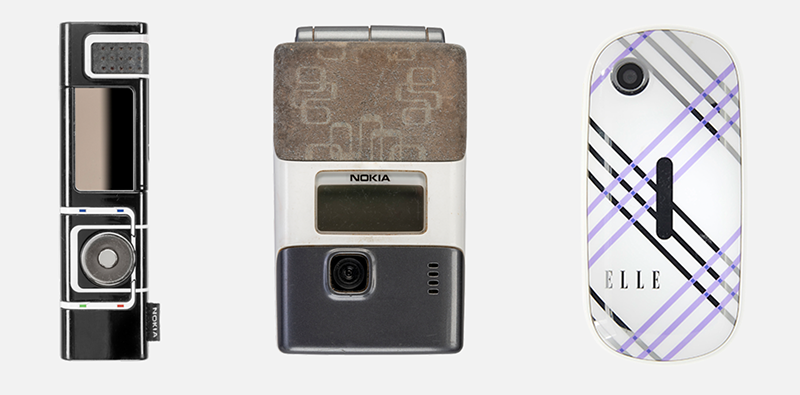
The journey began when mobile phones transitioned from utilitarian tools to consumer-centric accessories. Nokia was a pioneer, launching fashion-first devices like its “lipstick” 7280 phone and the fabric-clad 7200S, both of which appeared in 2004. At about the same time, more-affordable brands signed licensing deals to gain cultural relevance — a good example was Alcatel’s partnerships with Elle and Mandarina Duck.
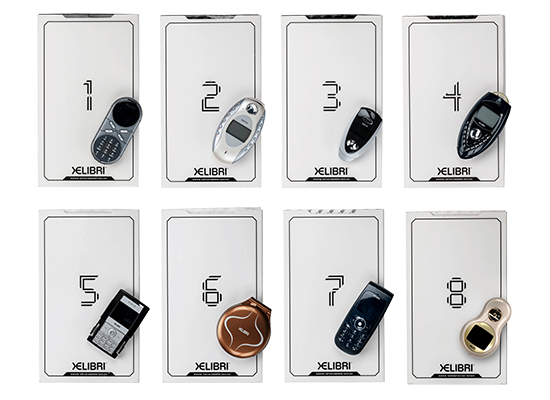
Siemens’ sub-brand, Xelibri, was perhaps the most radical experiment. Marketed as “fashion accessories that make phone calls”, Xelibri products prioritized form over function to an extreme degree. While short-lived, Xelibri highlighted a tension that remains today: the challenge of balancing innovative wearability with genuine utility.
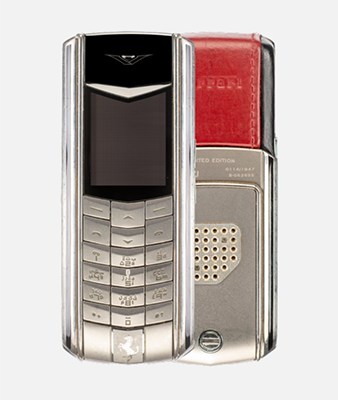
“Prestige” collaborations, such as the ones between Samsung and Armani or LG and Prada, often struggled because they offered little of interest beyond a logo. Luxury brand Vertu, however, embraced premium materials and exclusivity to emulate the Swiss watch industry. Vertu eventually succumbed to the disruptive power of the iPhone, but its spiritual successor, Xor, continues to target this high-end niche, proving that a market for “status tech” still exists.
Wearables: The New Frontier of Fashion
As technology moved from our pockets to our bodies, the need to embrace fashion has become a business imperative. People are hesitant to wear a device that screams “tech geek”; Google Glass’ downfall was at least in part because of this. Success in this category depends on alignment with existing social norms.
Smartwatches
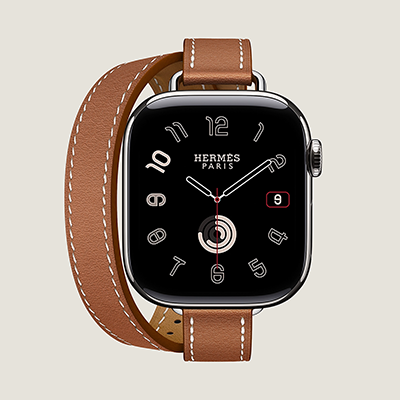
The smartwatch category has been the most successful to date because the wrist is already a socially accepted space for fashion. Apple mastered this with the Apple Watch and catered to high-end fashion through its long-term partnership with Hermes. Conversely, the exit of Fossil Group from the smartwatch market in 2024 showed that pure fashion brands find it increasingly difficult to compete with the scale of investment in research and development at tech giants like Apple and Samsung. Of the major traditional watch brands, only Tag Heuer sells connected watches as part of its portfolio. Even then, these products aren’t marketed — or priced — as competitors to tech company watches, instead they target the ultrahigh end of the category.
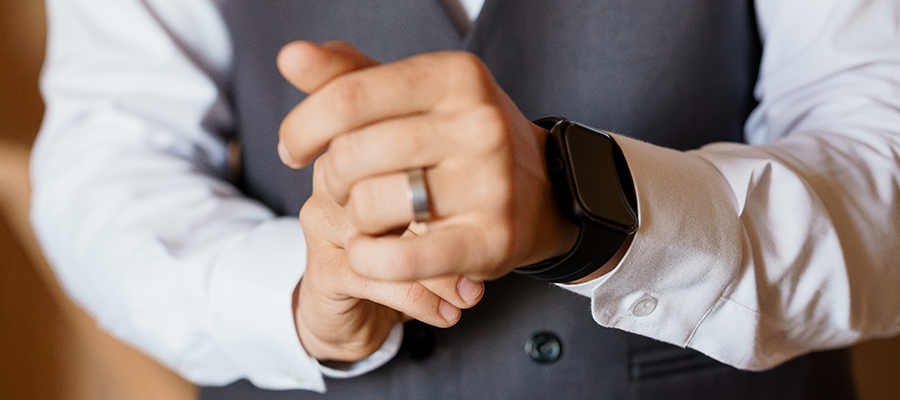
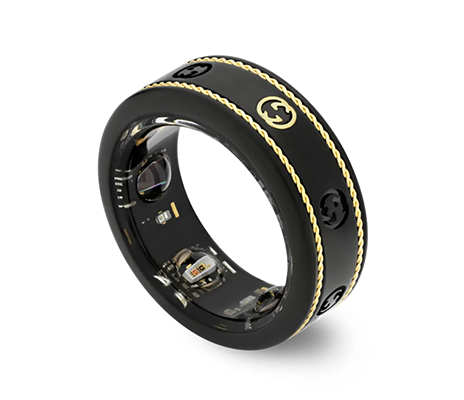
Smart Rings: Oura has shown that tech can be discreet and stylish and this has resonated well. It has even flirted with high-end fashion brand, Gucci. Similarly, Ultrahuman’s Ring Rare, a platinum or 18 carat gold ring, is marketed as a high-end luxury device, right at the intersection of this tech-fashion movement. Engineering constraints still occasionally result in oversized designs, but the ring format is gaining traction in the wellness space.
Smart Glasses: We view Meta’s partnership with EssilorLuxottica (Ray-Ban) as a masterstroke. By using the classic Wayfarer design, Meta didn’t just make the tech fashionable; it used the “cool” factor of Ray-Ban to alleviate the privacy concerns that often plague smart eyewear. There are very few tech companies that can use their own brand to market fashion products as effectively as traditional fashion brands; Apple is probably the only real contender. One reason for the early success of the Meta Ray-Ban glasses is that they’re seen as fashion products integrated with tech, not technology products designed to look fashionable. This is why other major tech brands have followed Meta’s fashion partnership playbook, for example Samsung’s alignment with Gentle Monster and Google’s partnership with Warby Parker.
The Challenges of “Tech Bling”
Despite the allure of the fashion world, bejewelled tech has historically had a poor track record. Partnerships with brands like Swarovski — seen in everything from Vodafone handsets to Motorola headphones — often fail to move beyond “tech bling” status.
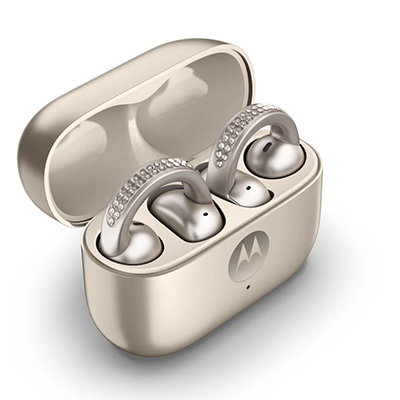
The primary hurdle remains engineering. Manufacturers are constantly battling the laws of physics. Batteries need space and electronics often require rigid shapes that clash with the fluid, fickle nature of fashion. Besides, tech life cycles are fast, whereas high-end jewellery is often intended to be timeless. This creates a friction point for consumers: few people want to buy an expensive, bejewelled earring that’ll be technologically obsolete in two years.
What’s Next: AI and Preventive Health
Looking ahead, we expect the focus to shift toward two key areas:
- The Wellness Synergy: People are increasingly willing to invest in technology that offers predictive and preventive health insights. As sensors shrink, we expect to see health-tracking features integrated into more diverse designs, such as the heart-rate monitoring capabilities expected in upcoming hearables.
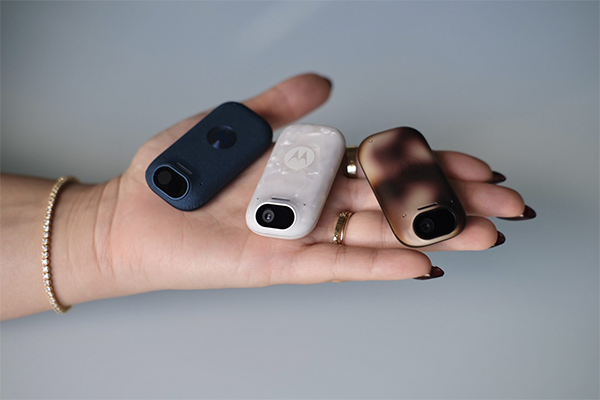
- AI-Enabled Wearables: The next frontier is the AI-first device. Following the Meta Ray-Ban success, we’re seeing a move toward pins and pendants. Early attempts like the Humane AI Pin faced challenges, but the industry is watching closely as players like Motorola, with its AI pendant concept, and the OpenAI and Jony Ive collaboration seek to redefine how we “wear” intelligence.
Ultimately, fashion isn’t just a coat of paint for technology; it’s the key to mass-market adoption. Although high-street brands continue to experiment in this space, the most sustainable successes will come from deep integrations where the tech enhances the fashion, and the fashion normalizes the tech. For body-worn devices, the design is the first thing a person sees, but the utility is what makes them keep it on their body. Finding that equilibrium remains the industry’s greatest challenge.


 LinkedIn
 Email
Email
 Facebook
 X
X